

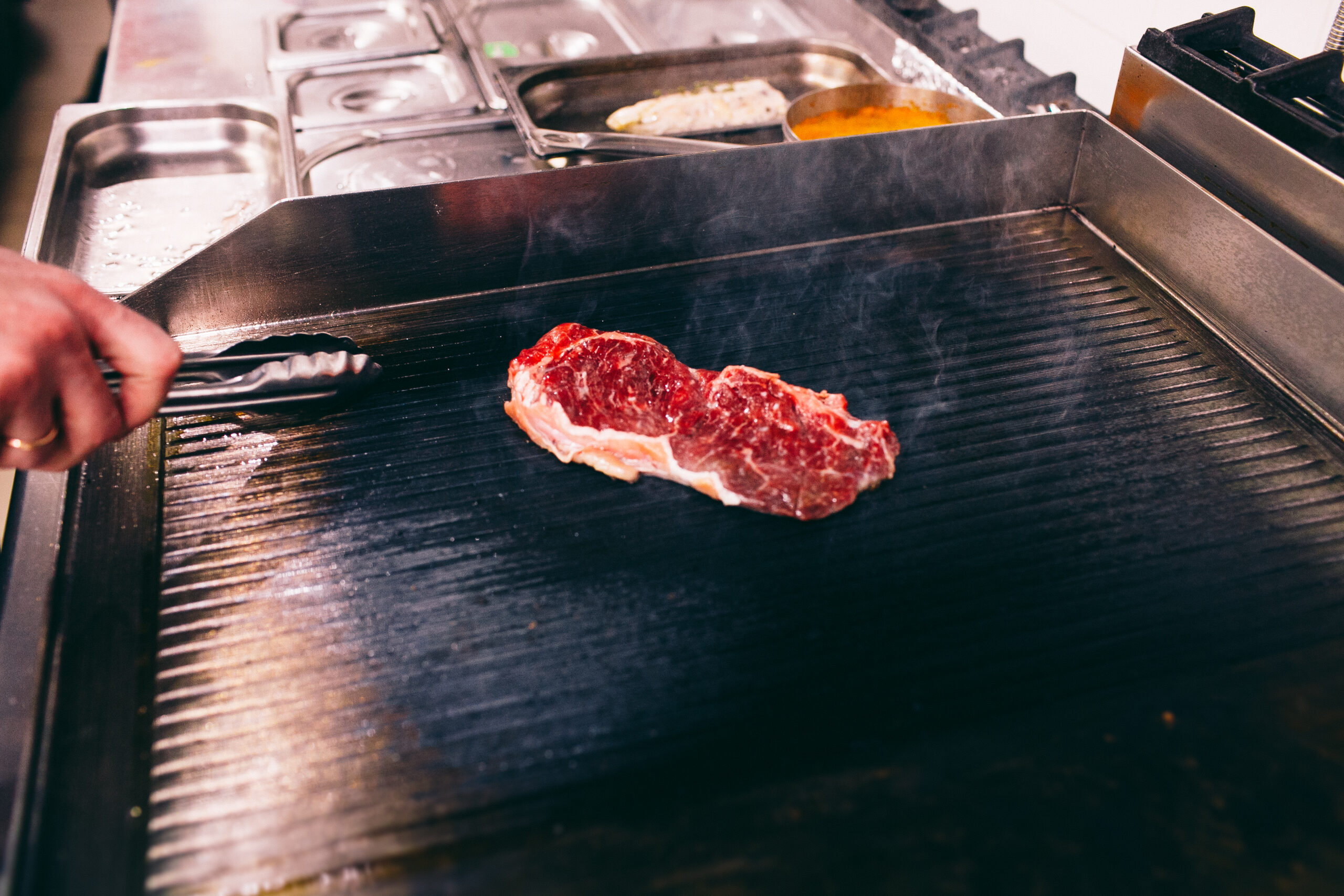
What Are the Benefits of Cooking on a Griddle?
Walk into the kitchen of almost any high-volume restaurant, and you’ll find a flat top griddle. There’s a reason it’s one of the most essential pieces of equipment in commercial cooking, and it’s not just because it’s versatile. A well-maintained griddle does things that other cooking surfaces simply can’t, and understanding those advantages helps explain why so many kitchens depend on one.
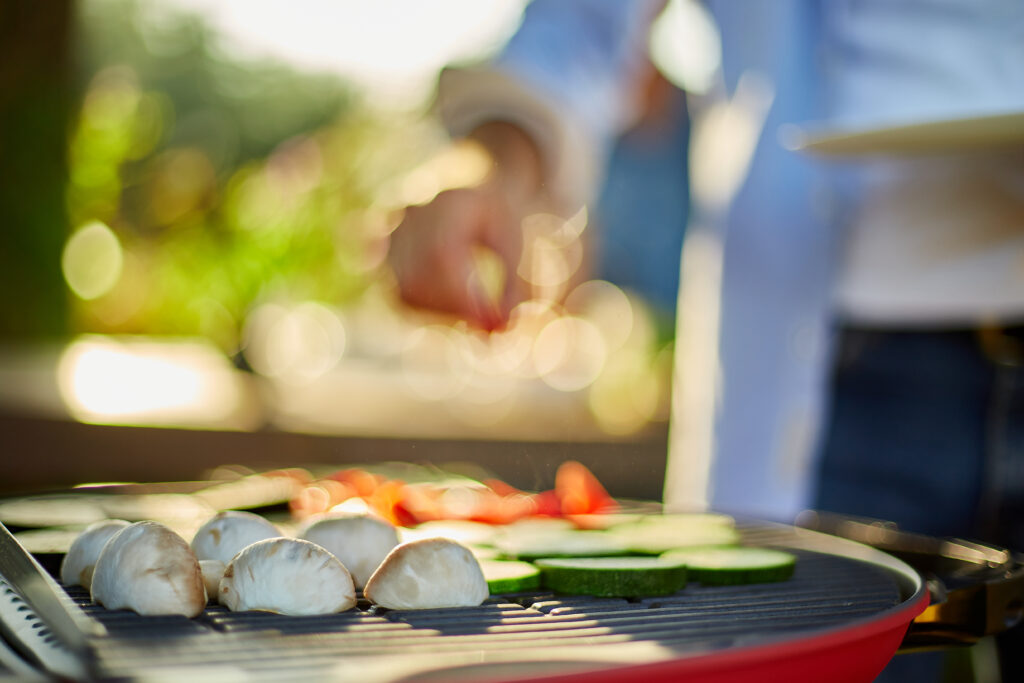
Even, Consistent Heat Across a Large Surface
One of the defining characteristics of a griddle is its ability to maintain even heat across a wide, flat cooking surface. Unlike a grill with raised grates over an open flame, a griddle distributes heat uniformly, which means food cooks consistently from edge to edge without hot spots that burn one piece while undercooking another.
In a commercial kitchen where you’re cooking dozens of portions simultaneously, that consistency is not a luxury; it’s a necessity. Every pancake, every burger patty, every egg on a breakfast line needs to come off at the same level of doneness. A properly seasoned and maintained flat top makes that repeatable.
The Maillard Reaction and Superior Browning
When food makes direct contact with a hot flat surface, the Maillard reaction, the chemical process that creates browning and develops complex flavor; happens across the entire surface of the food, not just where it touches a grate. This is why a smash burger cooked on a flat top has a fundamentally different crust than one cooked over an open flame. The contact is total, the browning is complete, and the flavor that results is a direct consequence of that full-surface contact.
This applies across a wide range of foods. Hash browns get a uniform golden crust. Quesadillas crisp evenly. Chicken breasts develop a sear across their entire surface rather than just over the grate lines. The flat top doesn’t just cook the food; it actively develops flavor in a way that other surfaces can’t replicate as efficiently.
Versatility That No Other Surface Matches
A griddle is one of the few pieces of equipment that can handle virtually any food that comes its way. Eggs, bacon, pancakes, burgers, sandwiches, vegetables, fish, steak, flatbreads; all of it works on a flat top. That versatility is part of why griddles anchor so many commercial kitchen setups.
In a busy kitchen, versatility translates directly to efficiency. The same surface that runs breakfast service can handle lunch and dinner without reconfiguration. Zone cooking; where different areas of the griddle are set to different temperatures; allows a single cook to manage multiple proteins or dishes simultaneously, each in its optimal heat zone.
Fat and Moisture Are Retained, Not Lost
On a grill with grates, fat and juices drip away from the food as it cooks. On a flat top, those same juices stay in contact with the food and contribute to moisture retention and flavor. This is why eggs cooked on a flat top have a different richness than those cooked in a pan with less contact, and why smash burgers have become such a defining style; the fat from the meat stays in play rather than dripping into a flame.
This also means the griddle surface itself develops a seasoning layer over time; a build-up of polymerized fats that becomes increasingly non-stick and contributes to the flavor profile of everything cooked on it. A well-seasoned griddle that’s been properly maintained for years is genuinely a better cooking surface than a brand new one.
Commercial Griddle vs. Flat Top: Is There a Difference?
The terms commercial griddle and flat top are often used interchangeably, and in most practical contexts they refer to the same thing; a flat, smooth heated cooking surface used in commercial food service. If there’s a distinction worth noting, it’s that “flat top” sometimes refers specifically to the style of cooking surface found on range-style units, while “griddle” can refer to both standalone units and surface-mounted configurations. But for practical purposes in a restaurant kitchen, you’re talking about the same fundamental tool.
What does matter in the commercial context is the quality and thickness of the steel plate, the BTU output of the burners underneath it, and how the heat is distributed across zones. These factors determine how the surface performs under the sustained high-volume conditions that commercial kitchens demand.
Why Keeping Your Griddle Clean Matters as Much as Anything
All of those benefits; the even heat, the browning, the seasoning; depend entirely on a clean, properly maintained cooking surface. A griddle caked with burnt residue conducts heat unevenly, imparts off-flavors to food, and degrades faster than one that’s cleaned and maintained consistently after every service.
This is exactly the problem Redi-Gril was built to solve. Since 1973, Redi-Gril has been the scraper of choice in restaurants and commercial kitchens across the country, trusted by top fast food chains and independent operators alike. Their heavy-duty grill scrapers are designed specifically for the demands of commercial flat top cleaning; cutting cleanup time and effort by up to 50 percent, removing burnt residue from virtually any food product, and keeping the steel surface in the condition it needs to be in to perform at its best.
Whether you need a heavy-duty scraper for high-volume service, a mini scraper for tighter areas, or the 2-in-1 heavy-duty scraper with squeegee attachment, Redi-Gril makes the tool that keeps your flat top working the way it should. Replacement blades are available separately, and every product is made in the USA from high-quality materials including FDA and EU certified silicone.
Visit redi-gril.com to explore the full product lineup and find the right scraper for your kitchen.
Frequently Asked Questions
What is the difference between a commercial griddle and a flat top grill?
In commercial kitchen settings, the terms are largely interchangeable. Both refer to a flat, smooth heated cooking surface used for high-volume food preparation. Differences in terminology are mostly regional or contextual rather than reflecting meaningful differences in the equipment itself.
Why do restaurants prefer cooking on a flat-top griddle?
Flat top griddles offer even heat distribution, full-surface contact with food for better browning, high versatility across food types, and the ability to cook large volumes simultaneously. They’re also easier to manage across multiple food items than open-flame grills for many menu applications.
Does food taste different when cooked on a griddle vs. a grill?
Yes, in a meaningful way. A griddle promotes the Maillard reaction across the entire contact surface of the food, creating a fuller, more consistent crust and retaining juices that would drip away on a grate. An open-flame grill adds smokiness and char marks but doesn’t develop the same full-surface sear.
How often should a commercial flat top griddle be cleaned?
In a commercial kitchen, the griddle surface should be scraped down during service and thoroughly cleaned at the end of every shift. Regular maintenance preserves the seasoning layer, ensures even heat conduction, and extends the life of the cooking surface significantly.
What is the best tool for cleaning a commercial flat top griddle?
A heavy-duty grill scraper designed specifically for flat top surfaces is the standard tool in commercial kitchens. Redi-Gril’s heavy-duty scrapers are the industry choice, used in restaurants and major fast food chains since 1973 to remove burnt residue and grease quickly and efficiently without damaging the steel surface.
What makes Redi-Gril scrapers different from other grill cleaning tools?
Redi-Gril scrapers are purpose-built for commercial flat top use, with replaceable blades, high-quality construction, and FDA and EU-certified silicone components. They reduce cleanup time and effort by up to 50 percent compared to other methods and are made in the USA. Their blades are also compatible with most competitors’ scraper handles.